

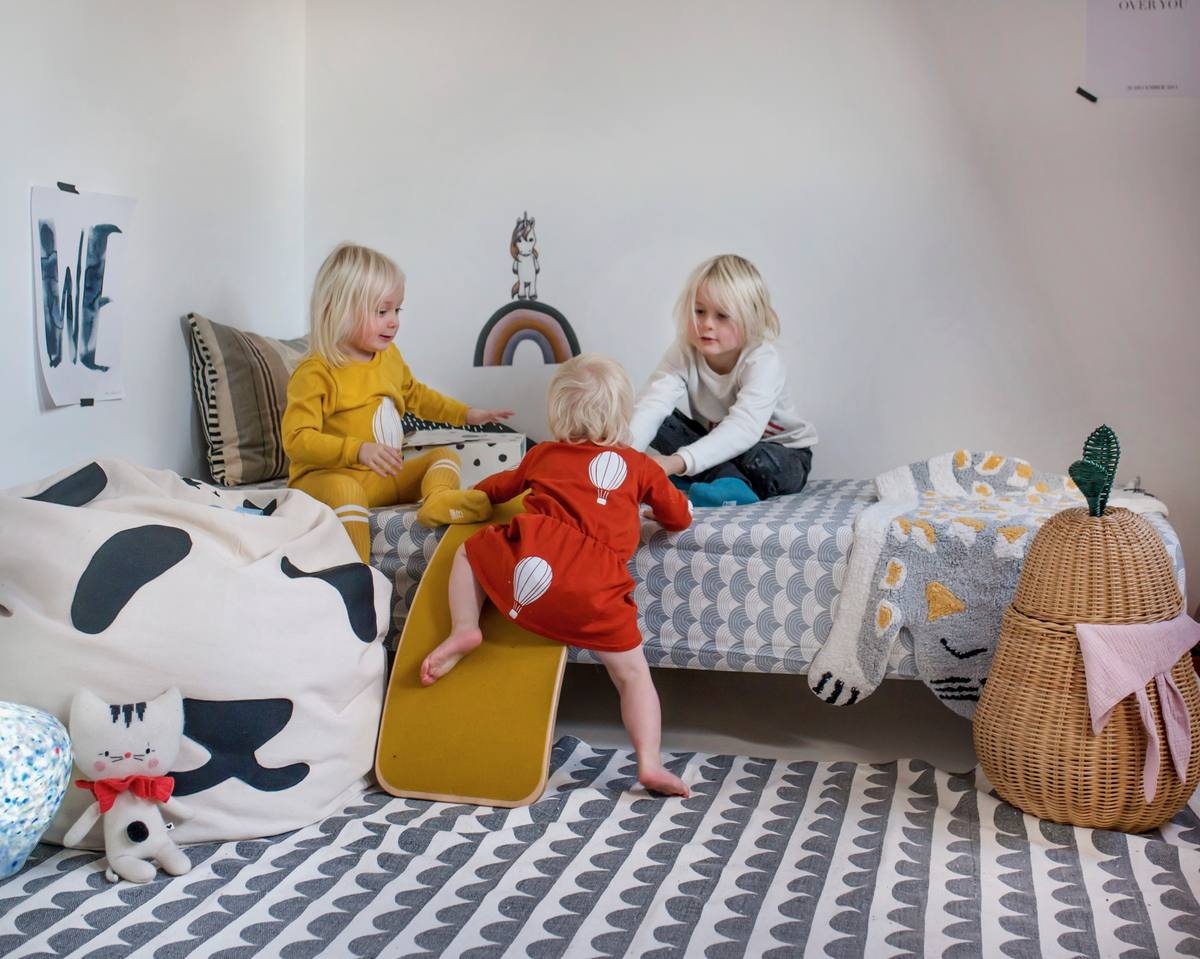
WHAT IS OPEN-ENDED PLAY?
You probably know the scene. Your child has been banging a wooden spoon on an upturned pan for twenty minutes. Or is building the same tower for the sixth time, just to knock it down again. And you think: should I do something? Suggest something? Step in?
No. Because what you see is exactly what it should be. This is open-ended play and it is one of the most powerful things a child can do.
Open-ended play means playing without instructions, without a goal and without right or wrong. The child decides what to do, how long it lasts and where it goes. There is no manual. There is no winner. There is no wrong way to use it. The structure comes from within from the child itself.
The opposite is closed-ended toys: a puzzle with one solution, a button that always makes the same sound, a game with fixed rules. Those have their place. But open-ended play asks nothing of a child. It gives everything.
WHY IS FREE PLAY SO IMPORTANT?
While you think nothing is happening, quite a lot is actually going on.
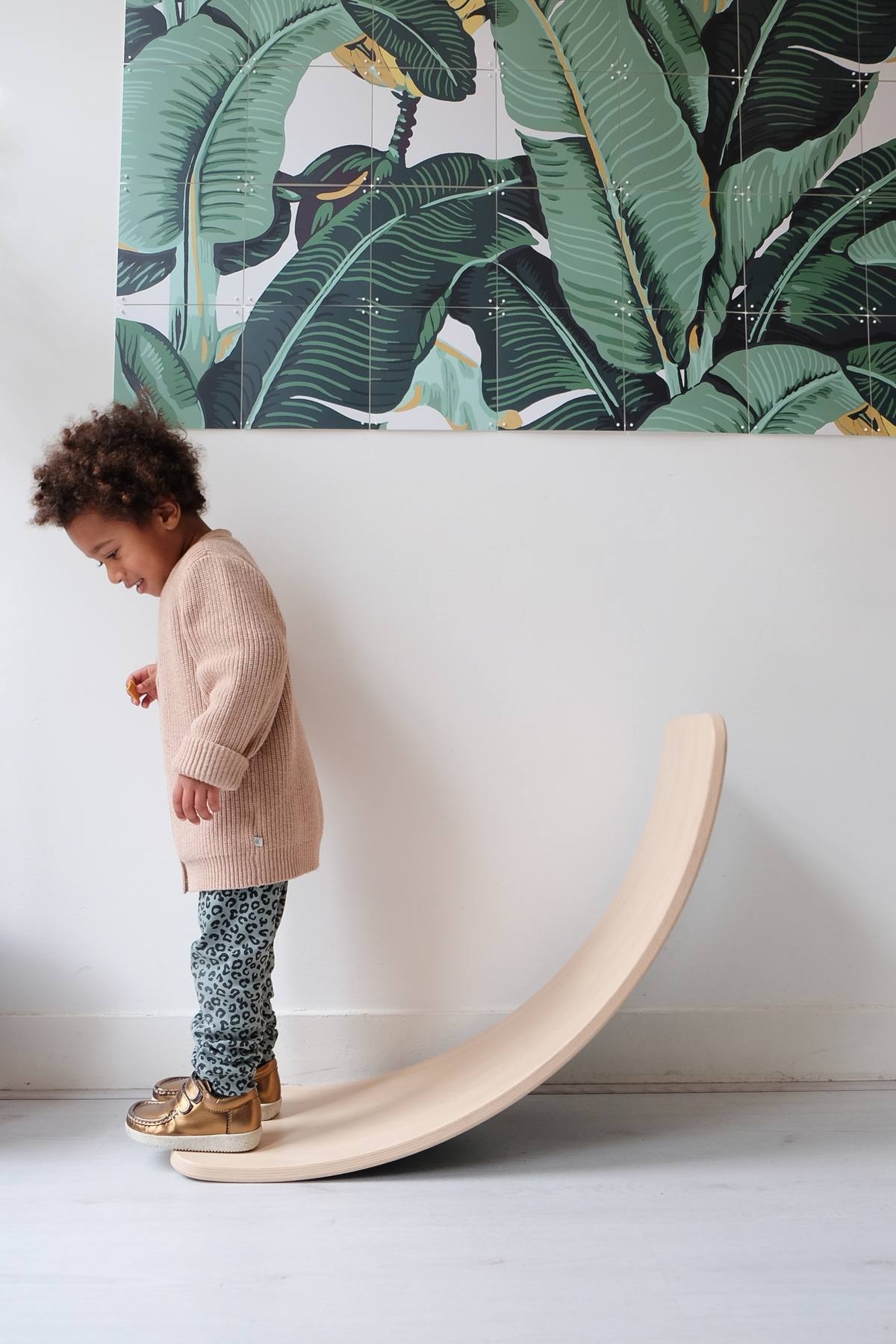
A child who plays freely is not doing nothing. It builds confidence, because nothing can go wrong. It practises concentration, because it is fully absorbed in its own world. It trains balance and coordination, without even knowing it. And it develops creativity and problem-solving skills, precisely because there is no manual to guide it.
This is central to Montessori and Waldorf thinking. Not just because it is enjoyable though it is but because free play is how a child gets to know itself. It discovers what it enjoys, what it can handle, what it keeps coming back to.
That repetition that might worry you a little? The same movement, again and again? That is not a lack of imagination. That is how a child makes something its own.
HOW DOES THE WOBBEL FIT IN?
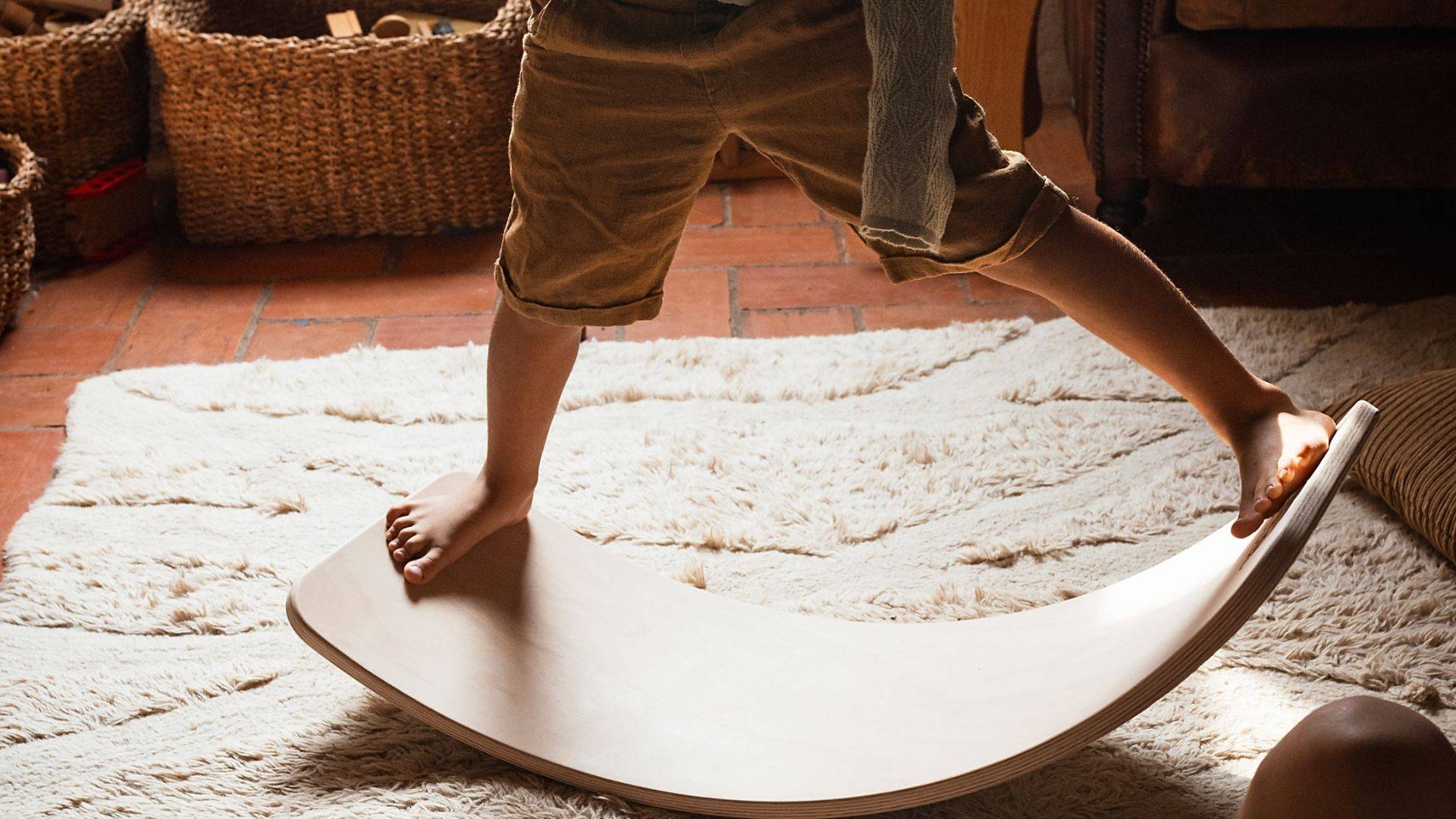
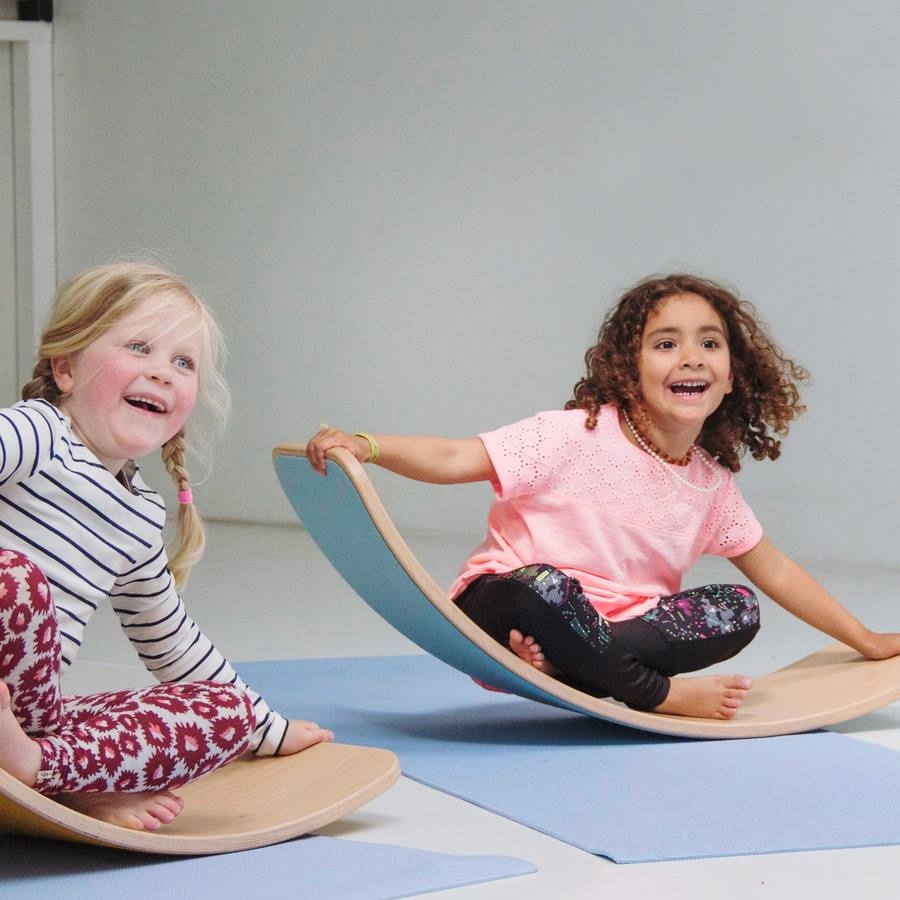
The Wobbel is a curved plank. No buttons, no batteries, no screen. No instructions in the box. That is entirely the point.
Made from FSC-certified European beech wood, crafted into shape and finished with a felt or cork base. But what makes it open-ended is not the material. It is the absence of a fixed function. The Wobbel becomes whatever the child makes of it. A boat. A slide. A stage. A rocker. A place to lie down and stare at the ceiling.
And that changes with age without the Wobbel itself changing.
Baby (0-1 year)
A hand on the curved wood. The world moves just a little. That is already play. The tactile experience, the gentle movement, the weight of the material everything is new and everything is information.
Crawler and toddler (1-3 years)
Discovering the slope. Climbing on it, rolling off it, leaning against it. Repeating the same movement twenty times. Not for lack of imagination but because the body is learning that it can. That it dares.
Young child (3-6 years)
The Wobbel gets a name, a story, a place in a bigger game. A den. A ship. A mountain. Imagination takes over from the body and that is exactly as it should be.
School-age child (6-12 years)
Reading a book while rocking. Doing homework while moving. The Wobbel becomes a place to land, to calm down, to concentrate even when the child is no longer "playing".
Teenager and adult
Just sitting for a moment. Moving while thinking. The Wobbel has no age limit only a weight limit.
AND THEN THERE IS SOMETHING ELSE
Most open-ended toys invite you to sit still. To build, stack, sort. The Wobbel does something different.
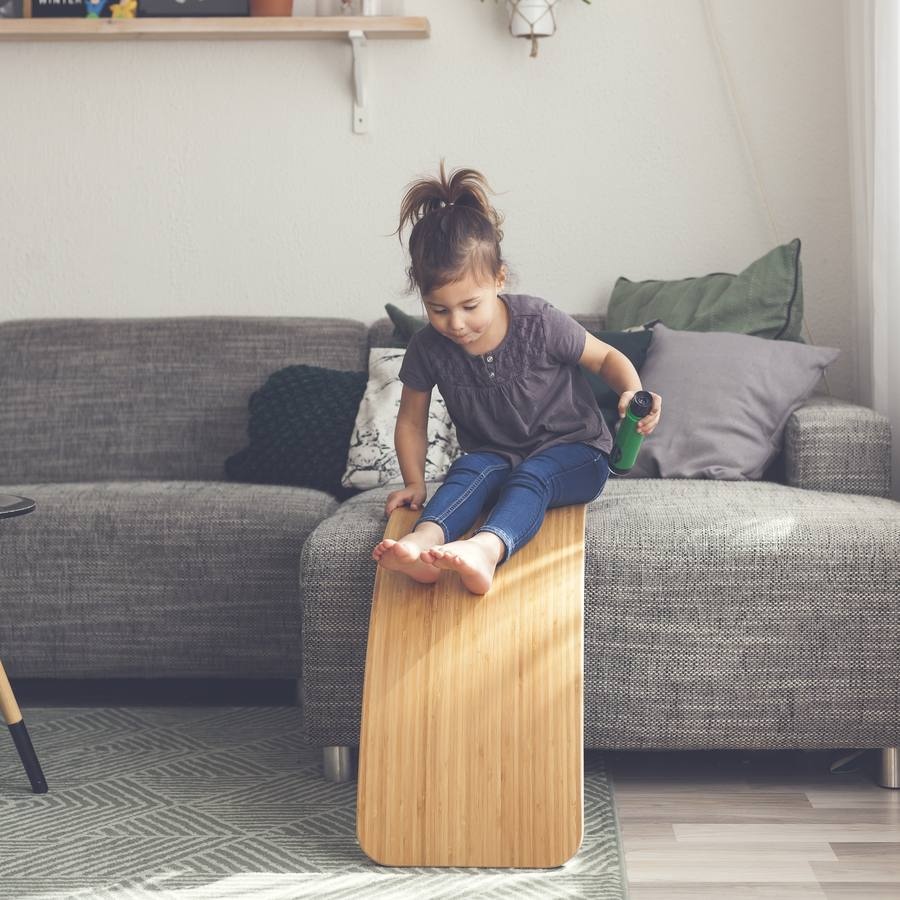
While a child plays on the Wobbel, it is also balancing. Both things happen at the same time, continuously, without anyone asking. And that makes a difference that goes far beyond play.
The vestibular system in the inner ear is the first sense to be fully developed at birth. It processes movement, orientation and spatial awareness and is directly connected to concentration, coordination and language development. Every small correction a child makes on the balance board lays a new pathway in the brain. Not as exercise. As play.
A child reading a book on the Wobbel is not rocking instead of reading. It is rocking so it can read better. Rhythmic movement is the oldest way the body knows to calm and centre itself. That is why babies are rocked to sleep. Why children spontaneously start to sway when they are tired or overwhelmed.
Open-ended play, natural material and movement stimulation all at once, all day long, without anyone having to do a thing. That combination exists nowhere else.
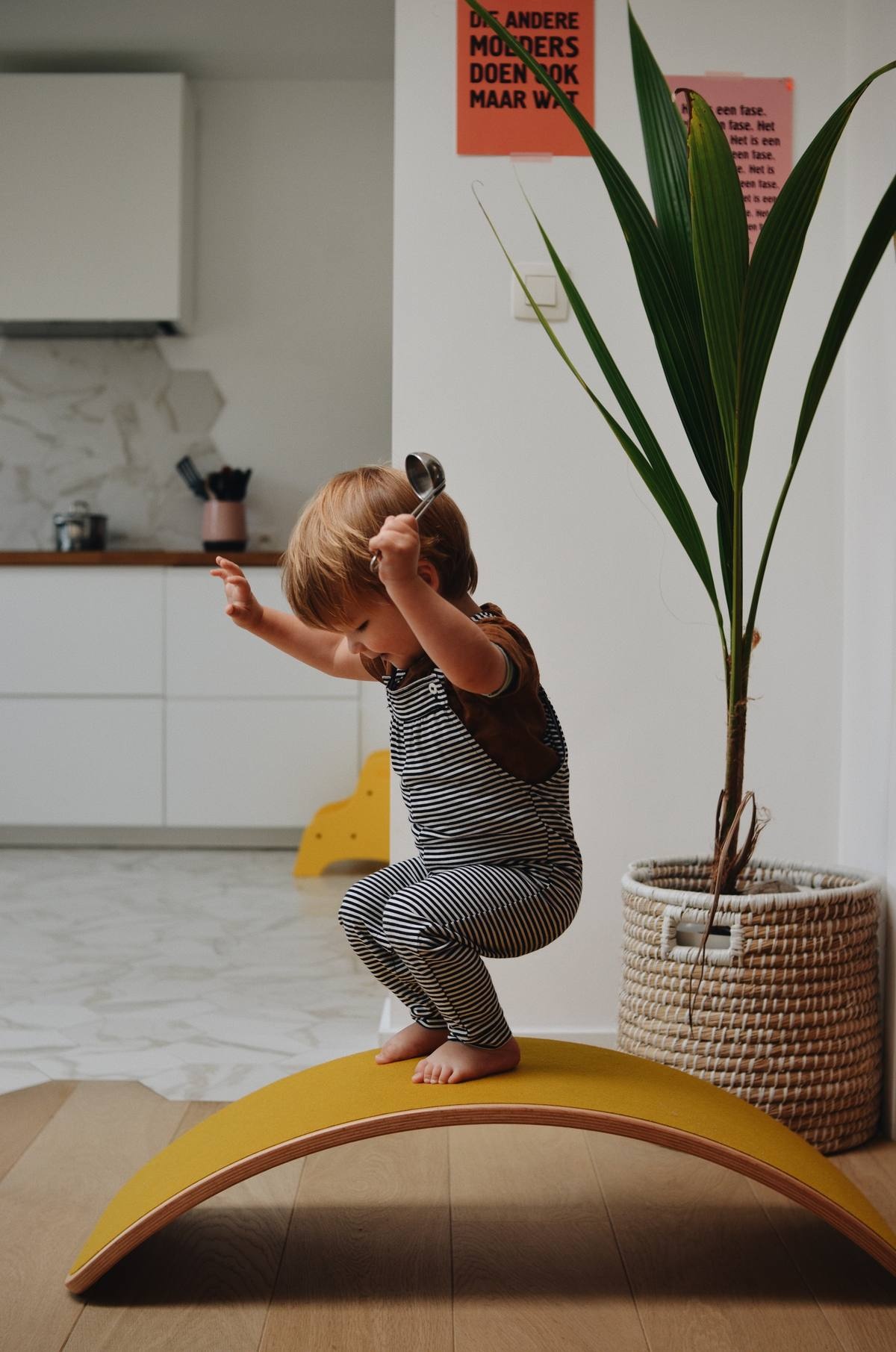
The Wobbel needs nothing more.
Neither do you.
Everything is already present in the child.
And the Wobbel invites all of it out.